
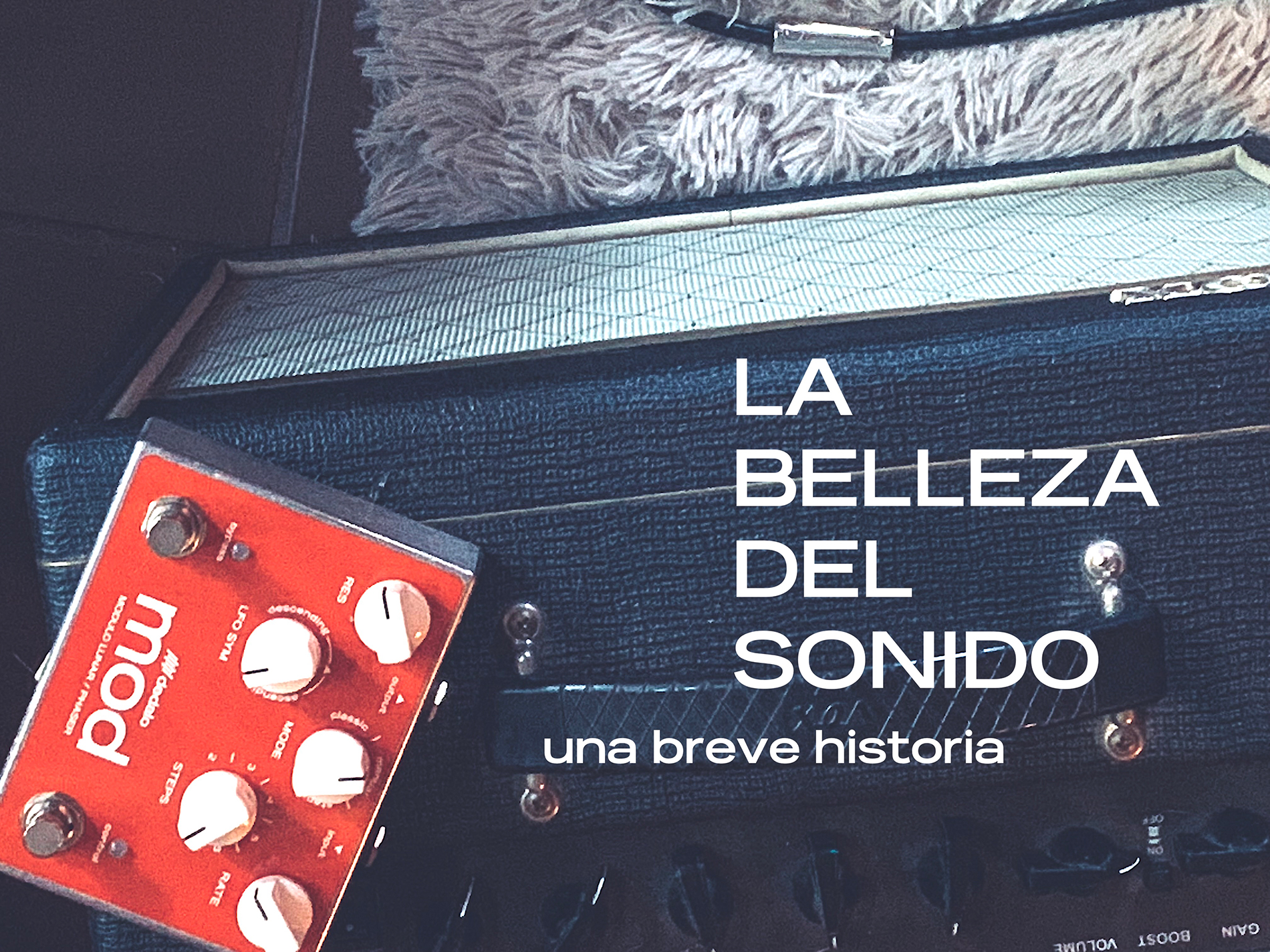
LA PLATA. In the late 1990s, Miguel was building his own effects to play in his band. Then, in the early 2000s, he showed them to his brother Santiago, who had the idea of producing them on a larger scale. Together, they set out to create an Argentine pedal brand—one that could match the quality of those made elsewhere, while remaining accessible. Rooted in the Anglo sound tradition they had grown up listening to, they also aimed to contribute their own vision: creating original and innovative sounds, always seeking to capture the beauty of tone, and to provide new generations with tools to make new music. Technology became a key ally in this pursuit, enabling them to offer musicians the best possible sonic tools for their bands.
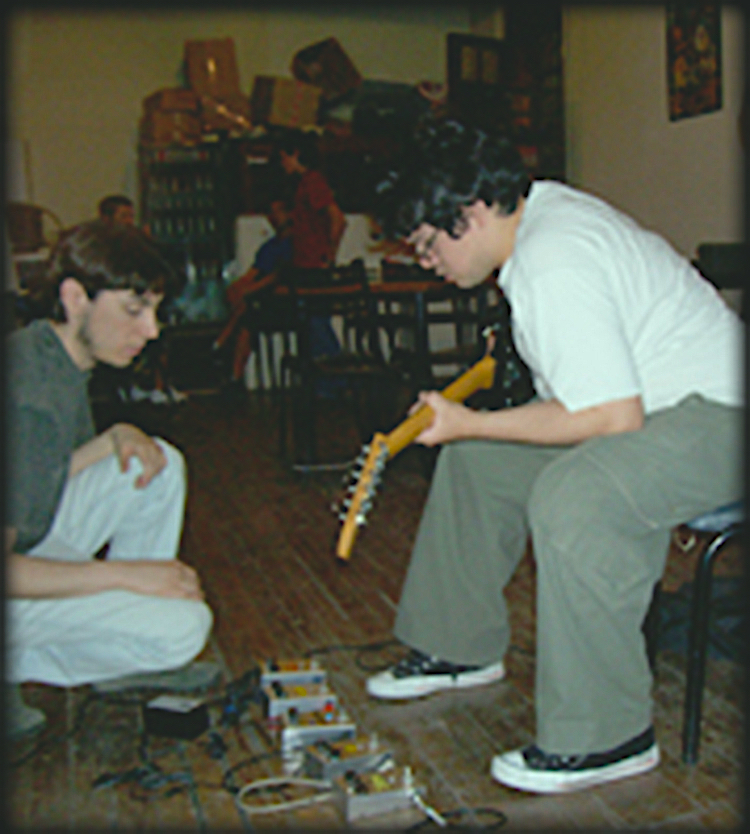
This is how the first Dedalo FX pedals came to life: an initial batch of twenty units including delay, chorus, fuzz-tortion, and tremolo. They were built using components sourced from electronics stores, with enclosures handmade by the founders themselves. Sold through a newspaper ad, they were quickly embraced by local artists. Over time, Dedalo pedals began to appear on countless records and pedalboards around the world. This growing demand led to an expansion in production capacity and a move to Buenos Aires. At first, sales were conducted online, later complemented by a network of instrument retailers. As the brand grew, they launched their first professional line. Once again, they had a defining idea: if the brand was Argentine, the pedals should carry names in their native language—Spanish. What initially seemed unconventional became a strong identity trait with notable impact. Thus were born pedals like Máquina del Tiempo, Módulo Lunar, and Gorila, which became icons of the brand and remain in production to this day. At the same time, they began developing new technologies, incorporating the vast possibilities of creative programming into their designs. This expanded the sonic landscape and opened new horizons for musicians. Years later, this approach led to groundbreaking pedals such as Beat, the first drum machine in pedal format—always staying true to the original vision: the beauty of sound as the core characteristic of every design.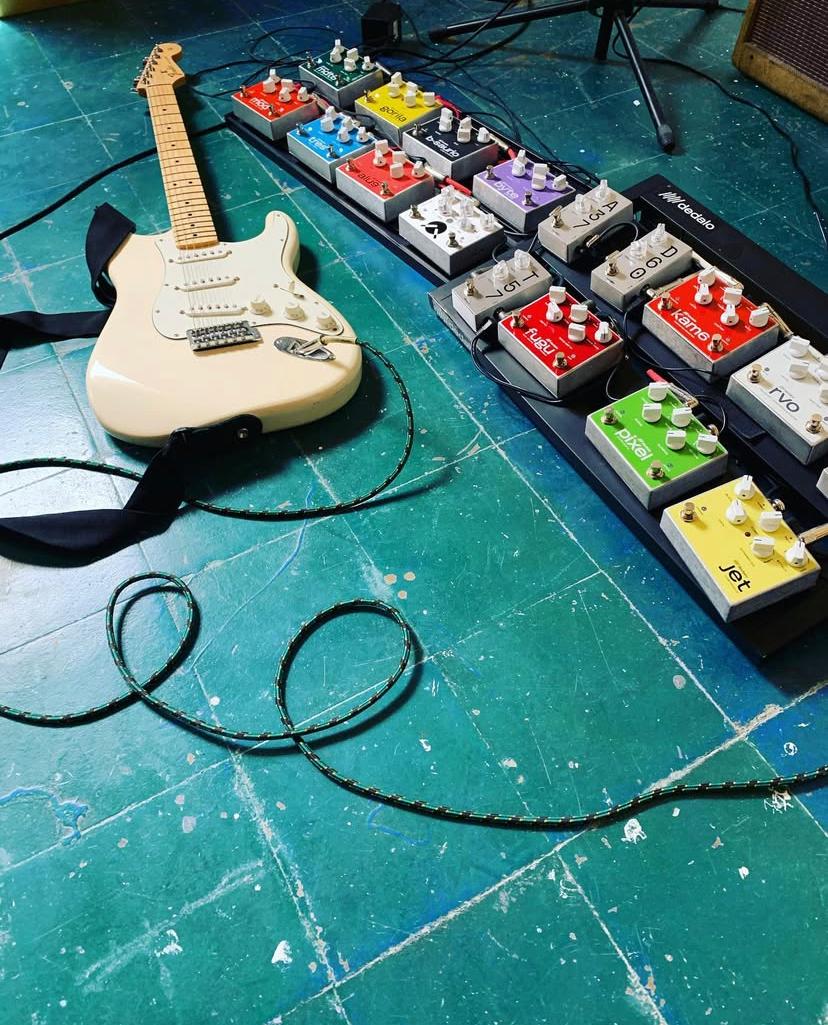
Today, thanks to their focus on producing unique and innovative sounds—and to the recognition of tone enthusiasts around the world—Dedalo pedals are exported to demanding international markets such as Japan, Canada, the United Kingdom, and the United States. Meanwhile, the company continues to develop new effects every day at its factory in Buenos Aires.
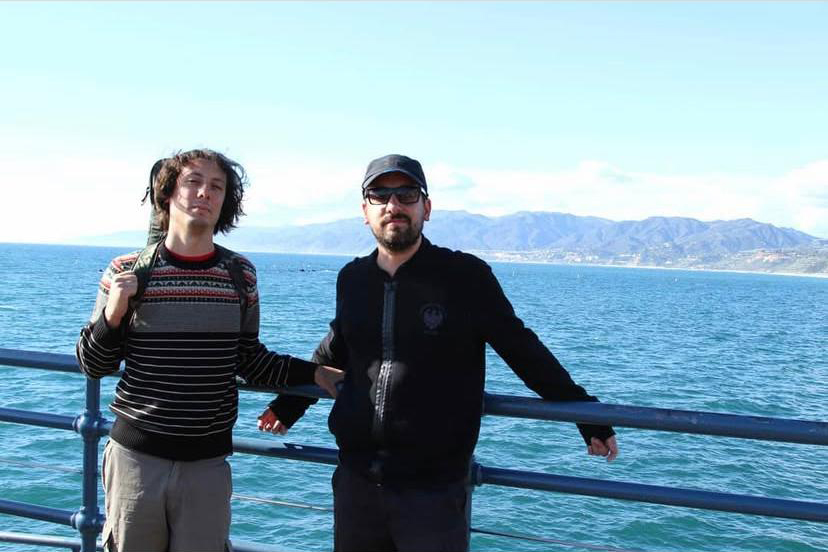
>>> Some of the artists that use Dedalo Fx
>>> Interview to Santiago and Miguel in Doble Bobina
>>> Article in Suplemento PYME
Find your pedal in the nearest store



Dedalo, an argentinian brand of pedals.
All the circuits, graphic elements and photographs are registered trademarks of Dedalo Fx.
® 2025 Dedalo fx Bs. As. Argentina All rights reserved.